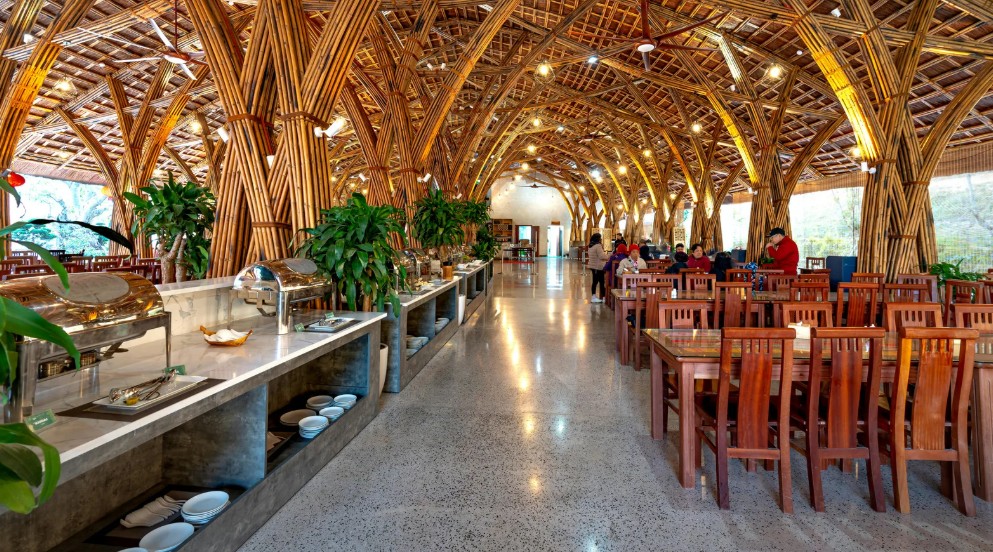
Sustainability has moved from a distant aspiration to a defining force within the UK’s hospitality industry. Over the last few years, diners have become more selective, valuing restaurants that prioritise ethical sourcing, reduced waste, and transparency.
This shift has created a new era in British dining where environmental responsibility sits alongside taste, ambience, and service. As a result, sustainable restaurants in the UK are gaining remarkable traction, influencing everything from menu design to business operations.
What Factors Are Driving the Rise of Sustainable Restaurants?


Several factors are shaping this cultural shift. Rising environmental awareness has played a significant role, with diners actively searching for places that treat sustainability as a core value rather than a marketing tagline. Climate-conscious customers increasingly choose venues with local produce, low-waste kitchens, and reduced carbon footprints.
At the same time, restaurant owners are seeing sustainability as more than an ethical choice. It is becoming an essential business strategy that helps reduce overheads, fosters customer loyalty, and positions the restaurant as a future-ready brand. These combined forces have made sustainable restaurants a growing leader in the UK dining scene.
How Are UK Restaurants Reducing Waste and Improving Resource Efficiency?
Restaurants adopting sustainable practices often begin with waste management. Food waste is one of the biggest contributors to carbon emissions in the hospitality sector, and UK restaurants are tackling this through innovative processes.
Many kitchens now use whole-ingredient cooking, composting systems, or partnerships with farms that repurpose organic waste. Beyond food, water conservation, and energy-efficient equipment are becoming standard upgrades.
These changes are helping businesses reduce bills while also strengthening their reputation for responsible dining. The shift shows how sustainability and profitability can coexist in a modern kitchen.
Why Is Locally Sourced Produce Becoming So Important?
The demand for local ingredients has increased significantly as consumers look for fresher options and reduced environmental impact. Sourcing from regional farms not only lowers transportation emissions but also supports local economies.
Restaurants across the UK are forming close partnerships with growers, fishermen, and artisan producers, ensuring ingredients remain seasonal and responsibly harvested.
This approach has transformed menus. Chefs are crafting dishes that highlight regional flavours, reinforcing Britain’s culinary identity and making sustainability an integral part of the dining experience.
How Are Consumer Expectations Influencing This Movement?


Modern diners are more informed and selective than ever. They’re reading labels, researching restaurant values, and responding to brands that reflect their environmental concerns. The rise of digital platforms has made transparency essential. People want to know where ingredients come from and what impact their dining choices have.
Because of this, sustainable restaurants are thriving. Their commitment to openness resonates strongly with customers seeking meaningful dining experiences. Midway through exploring this trend, many UK readers come across discussions on platforms like www.southwestmag.co.uk, where sustainability in food, lifestyle, and policy is shaping broader public interest.
What Role Does Technology Play in Promoting Sustainable Dining?
Technology has become a valuable tool for supporting eco-friendly restaurant practices. Smart inventory systems help chefs track usage and reduce waste. Digital menus and reservation platforms reduce paper consumption. Some restaurants even use carbon-tracking software to measure the impact of dishes and adjust their sourcing accordingly.
These innovations strengthen operational efficiency while also giving customers confidence that sustainability efforts are genuine and measurable. Technology has allowed restaurants to scale their environmental strategies without compromising service quality.
Are Sustainable Restaurants Helping Shape Future UK Dining Trends?
The impact of sustainable restaurants reaches far beyond their own operations. They are influencing national dining trends and encouraging traditional establishments to reconsider outdated models. Plant-forward menus, zero-waste dining, and regenerative farming partnerships are gradually becoming industry standards.
This movement also appeals strongly to younger generations, who place sustainability at the heart of lifestyle choices. As their purchasing power grows, these preferences will define how UK restaurants evolve over the next decade.
What Challenges Do Restaurants Face in Maintaining Sustainability?

Despite the growing momentum, running a sustainable restaurant is not without challenges. Local sourcing can be costlier and subject to seasonal limitations.
Implementing environmentally friendly technology requires upfront investment. Staff training is crucial too, ensuring everyone understands the importance of waste reduction and responsible practices.
However, restaurants that overcome these challenges often reap long-term benefits. With rising public support, government incentives, and industry-wide innovation, sustainability is becoming more accessible each year.
Conclusion
Sustainable restaurants are leading the UK dining scene because they respond to modern values, prioritising transparency, responsibility, and long-term environmental well-being. They show that excellent food and ethical business practices can go hand in hand.
As diners continue to embrace conscious choices, sustainability will no longer be a trend but a fundamental expectation across the UK hospitality sector.


Author Profile


- Blogger and digital marketer.
Latest entries